Bushcraft sits in that sweet spot between adventure and self-reliance. It’s what turns a walk in the woods into something more memorable. You’re not just passing through nature, you’re learning how to live in it, even if only for a night.
A lot of people assume bushcraft is about surviving extreme situations, but for most beginners it’s much more down to earth than that. It’s about confidence and having a foundation of useful skills to help you get through whatever the wild throws your way.
With that in mind, here are three essential bushcraft skills every beginner should get stuck into.
Fire is less about the spark and more about preparation. If your setup is right, ignition becomes the easy part. Tinder, kindling, and fuel all need to be ready before you start. Without that structure, even a strong flame will struggle to survive.
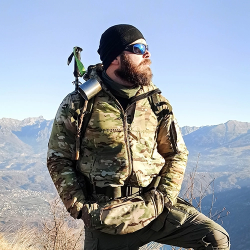
Conditions matter just as much as technique. Damp wood and cold hands quickly slow things down, so staying warm and dry is essential. From insulated jackets, to durable base layers, correct clothing will help reduce that pressure, letting you focus on building and maintaining the fire instead of fighting the cold.
Some outdoor areas have their own rules and regulations around fires so it’s best to check before you set off on your adventure.
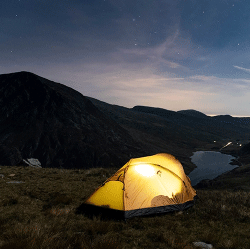
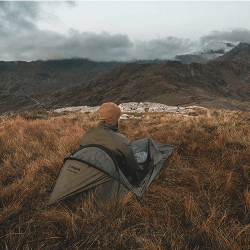
First, you need to choose the right location: a good spot with dry ground, wind protection and no overhead hazards. Next you’ll need your shelter. A-frame tarp shelters or light-weight tents are reliable and adapt easily as conditions change.
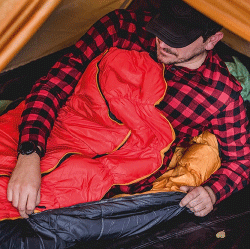
Ground insulation is just as important as overhead cover. Without it, heat loss happens fast. Sleeping mats provide great insulation or if you’re looking for something with more comfort, you can try an inflatable air mat or bed.
Tools make bushcraft easier, but only when they’re used with control and attention. A knife, saw, or axe is most effective when you’re not rushing. Stable footing, clear space, and deliberate movements matter more than strength. Most beginner mistakes happen when speed comes before awareness.
Keeping tools sharp and well-maintained is just as important. A dull edge requires more force, which increases risk and reduces accuracy. Regular, simple maintenance keeps everything safer and more efficient.
At its heart, bushcraft is about building a better relationship with the outdoors. Not conquering it, not surviving against it, just understanding it a little more each time you go out.
Fire teaches patience and preparation. Shelter teaches awareness and adaptation. Safe tool use teaches control and calm decision-making.
And once those skills start to click, being outdoors feels far more natural. You spend less time worrying about getting things right and more time enjoying the experience, whether that’s sitting around the fire at the end of the day, settling into a shelter that’s held up overnight, or simply feeling comfortable and prepared outside.
That’s really what bushcraft is about: learning skills that make the outdoors feel a little more like home.
{"one"=>"Select 2 or 3 items to compare", "other"=>"{{ count }} of 3 items selected"}