When the temperature drops, it’s tempting just to shove all your camping gear in the garage or shed and forget about it until sunnier climes return. But, if you end up putting items away wet, dirty, or damaged, it can be heartbreaking come summer, when you pitch up somewhere beautiful, ready for a fun weekend, only to find yourself with a mouldy sleeping bag, a ripped groundsheet, or a couple of tent poles short.
Thankfully, a few simple steps can make all the difference. With some basic care and preparation, you can keep your gear, whether it be from Snugpak or otherwise, clean, fresh, and in top condition, ready for your next adventure, whenever and wherever it may be.
Winter camping gear takes a beating thanks to cold temperatures, condensation, wet fabrics, and repeated compression. This all reduces performance over time, but regular care means:
Better insulation and loft
Improved water resistance
Longer gear lifespan
Dependable warmth and comfort on every trip
Perhaps the most obvious yet important step is to apply a little organisation to how you store your camping essentials over winter. Create an inventory list to ensure everything is accounted for.
If anything is broken, missing, or incomplete (lost tent poles or stakes being the two most common offenders), be sure to repair or replace these sooner rather than later. Speaking from experience, doing so will save a lot of unnecessary hassle down the road!
It’s also worth making a mental note (or physical one if you’re on the forgetful side) of any items you bought recently that you barely touched, or didn’t particularly enjoy using. There’s no point in circulating the same packing list every trip and overpacking with gear you don’t need or want.
In short, a little organisation now saves time, money, and plenty of stress later!
A small but useful thing to remember is also to remove batteries from radios, GPS units, headlamps, torches, and any other outdoor gadgets. You can then recharge any rechargeable batteries or make a note to replace them with fresh ones in time for your next trip.
We strongly recommend checking your first aid kit to ensure you have enough essentials (plasters, bandages, painkillers, antihistamines, bite cream, etc.), and disposing of any expired medicines or supplies. We’ve all been there: feet in agony, convinced we’re well equipped with blister plasters…only to find an empty packet mocking us from inside our kit!
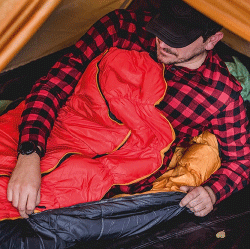
The general guidance is to wash sleeping bags as little as possible and, if necessary, use a mild detergent, then dry them thoroughly before storage. It’s also best to store sleeping bags loosely in a breathable cotton bag, rather than in a compression sack, and always in a dry place.
The best storage options include: a cotton or mesh storage bag, or hanging in your wardrobe.
These steps extend the life of synthetic insulation like Softie®, and keep your sleeping bag fluffy and warm for years to come.
For a more in-depth guide on washing Snugpak sleeping bags, check out this article.
Sleeping mats don’t tend to get overly dirty, but if they need a quick freshen up, you can give them a scrub with mild detergent. If you have an inflatable sleeping mat, this is also a good opportunity to check for air leaks that could ruin a good night’s sleep. Dry fully indoors and store loosely with the valve open (if applicable) in a dry space.
When it comes to your tent, it’s important to take the time to clean and organise it before you put it away.
Start by shaking out any debris and turning the tent inside out.
Clean all parts with a mild detergent and a soft-bristle brush.
Don’t forget about your poles, stakes, flysheet, tent body, and groundsheet.
Dry completely indoors (the house or garage is ideal).
Apply waterproofing treatment like Nikwax if needed
Pack everything back into the tent bag once fully dry.
It’s also worth performing quick maintenance checks, such as inspecting zippers for snagging and lubricating with zipper wax if needed, and checking seams and stitching for excessive wear to prevent future problems.
For more information, please see our article on tent care and proper use.
If you regularly use cooking gear on your camping trips, make sure everything is properly washed before putting it away - nobody wants rats! It’s also worth ensuring all your pots and pans are properly dried and kept well away from damp areas to prevent rust.
The bottom line is never store your camping equipment dirty or wet. Proper storage not only extends the lifespan of your gear but also makes life a whole load easier when you eventually come out of hibernation, defrost, and get back to outdoor adventuring!
{"one"=>"Select 2 or 3 items to compare", "other"=>"{{ count }} of 3 items selected"}